Home Additions in Greenwich, CT: Expanding Without Losing Character
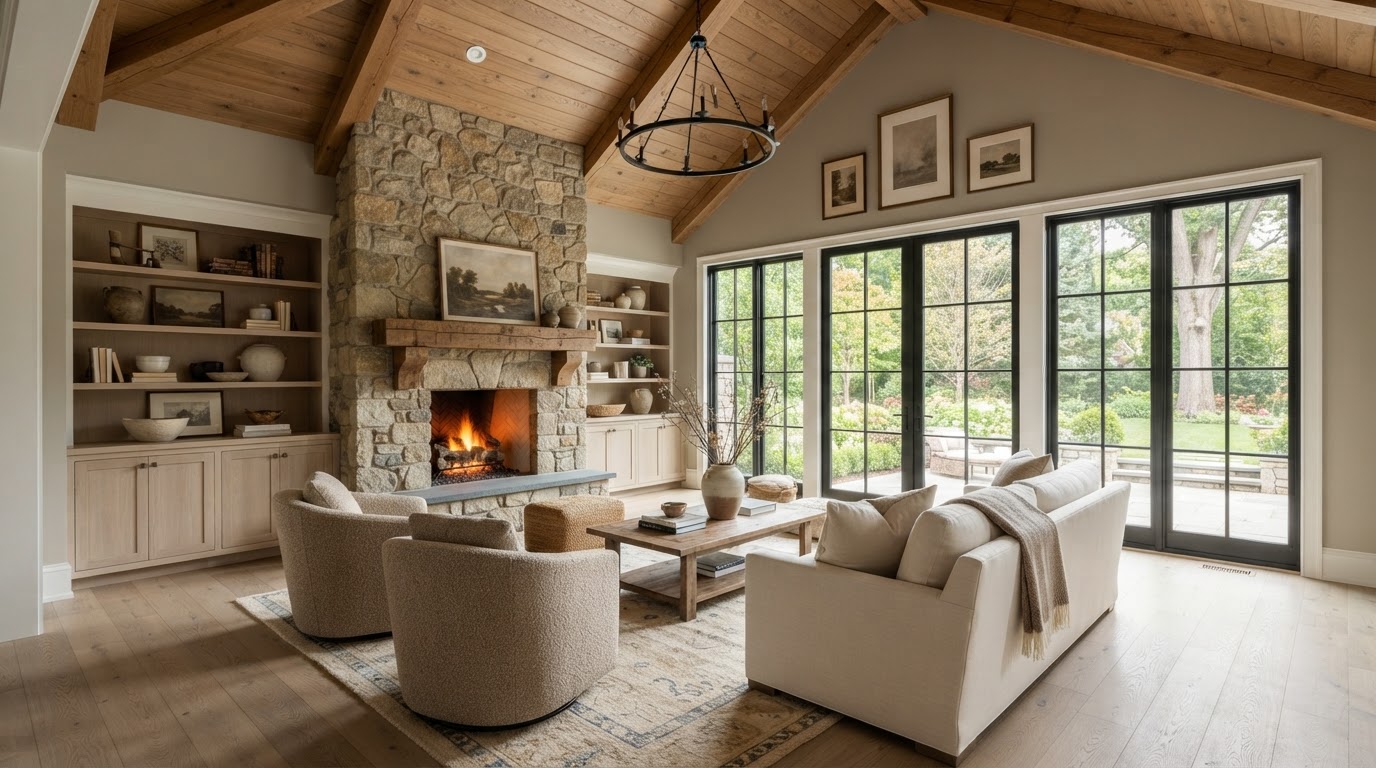
Greenwich homes have character. From historic colonials to mid-century moderns and waterfront properties, the architecture is part of what makes a Fairfield County home valuable. A home addition in Greenwich should add space without erasing that character. The best additions feel like they were always meant to be there.
Whether you are adding a primary suite to a Greenwich colonial, expanding the kitchen in a Darien home, or building a second-story addition in Westport, the goal is the same: more space that fits the home and the neighborhood.
Here is how to approach a home addition in Greenwich and Fairfield County that respects the architecture and adds real value.
1. Match the Architecture
A Greenwich addition should echo the existing home. In a colonial, that means matching window proportions, roof pitches, siding, and trim details. In a modern home, it means clean lines and consistent materials. When the addition uses the same proportions and materials, it feels like it belongs.
The goal is not to hide the addition but to make it feel intentional. A well-designed addition looks like the home grew naturally rather than being tacked on.
2. Plan the Primary Suite Addition
A primary suite addition is one of the most valuable projects in a Greenwich home. It creates a private retreat with a bedroom, walk-in closet, and spa bathroom. In a colonial, it often means adding above an existing wing or over a garage. In a ranch, it may mean a ground-level expansion.
Consider how the suite connects to the rest of the home and how it relates to the outdoors. A primary suite with a view and a private patio becomes a true retreat.
3. Expand the Kitchen and Living Area
Many Greenwich additions start with a kitchen that is too small. Expanding the kitchen and connecting it to a family room or dining area creates the open, gathering space that modern families want. A kitchen addition can also include a butler's pantry, mudroom, or breakfast nook.
Think about how the addition changes the flow of the home. The best kitchen additions make the whole first floor feel more connected.
4. Consider a Second-Story Addition
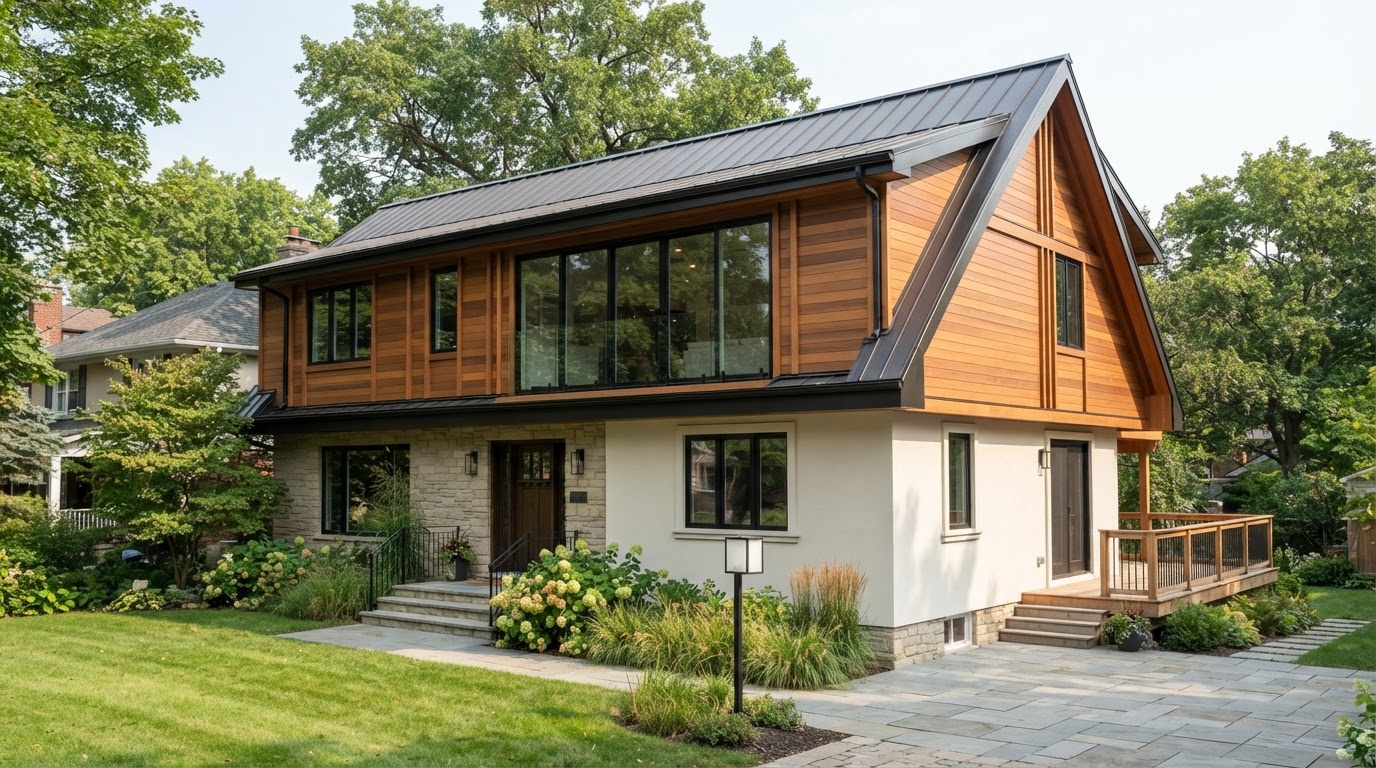
When a home cannot expand outward, a second-story addition can add bedrooms, bathrooms, or a full primary suite. This is a significant structural project that requires engineering, but it can transform a home without sacrificing yard space.
In Westport and New Canaan, second-story additions are common on ranches and capes that have good bones but not enough space. The key is making the addition feel like part of the original design.
5. Navigate Greenwich Permitting
Home additions in Greenwich involve building permits, zoning approvals, and in some cases, wetlands or conservation reviews. Fairfield County towns each have their own requirements, setbacks, and height limits. A project that does not account for these can stall for months.
A design-build team with deep experience in Greenwich and Fairfield County knows the local process and the standards each town expects. That local knowledge keeps your addition on schedule.
6. Protect the Home's Value
A well-designed addition adds value to a Greenwich home. A poorly designed one can detract from it. The difference is in the details — matching materials, proportions, and craftsmanship so the addition feels like quality, not an afterthought.
Think about resale value as well as personal use. An addition that fits the neighborhood and the architecture will hold its value far better than one that feels out of place.
Ready to Plan Your Greenwich Addition?
If you are planning a home addition in Greenwich, Darien, New Canaan, Westport, or anywhere in Fairfield County, Connecticut, we would love to help you create more space that fits your home. Foundry & Field Design + Build brings design and construction together under one roof, with deep knowledge of Connecticut permitting and Fairfield County architecture.